
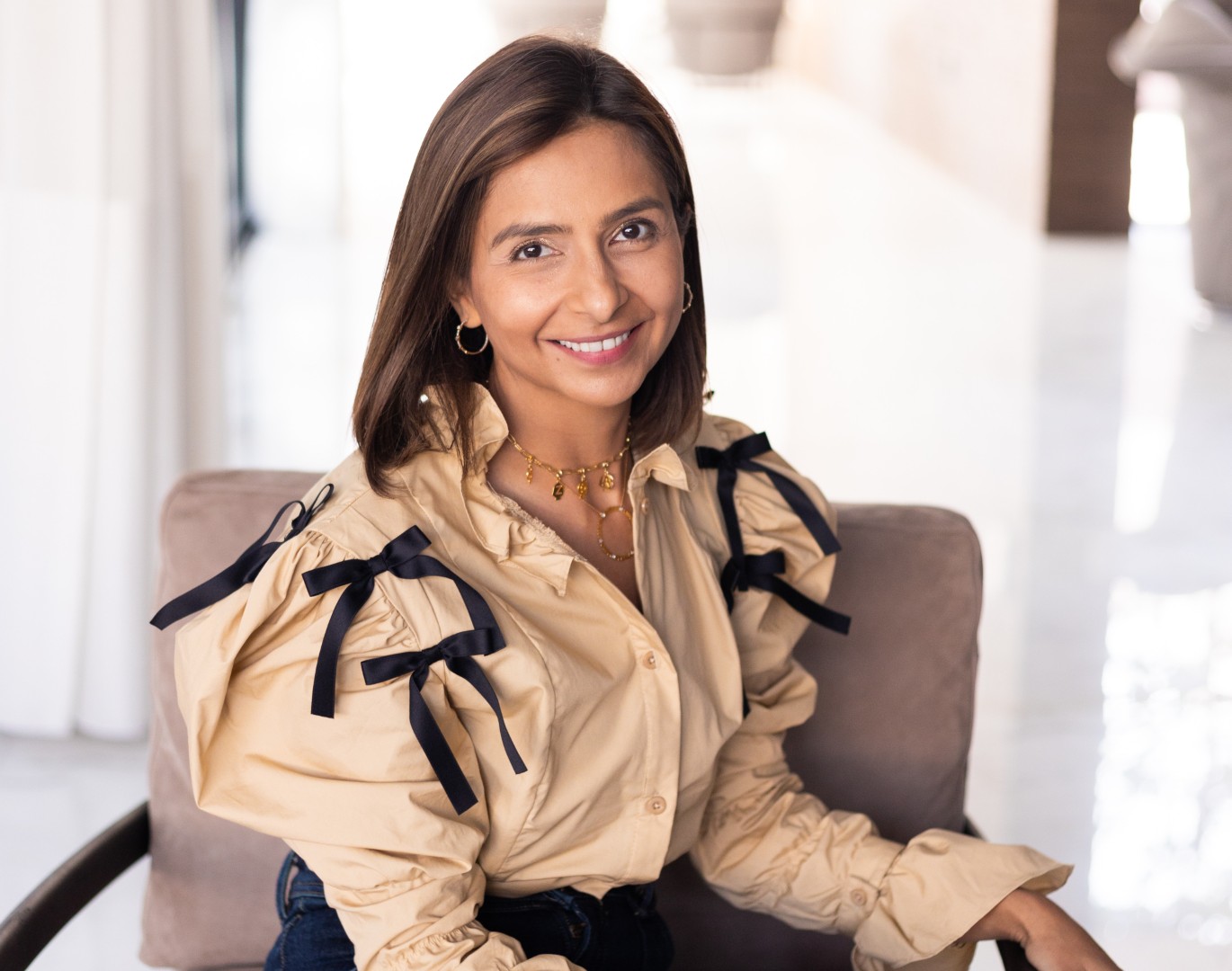
Amreen Iqbal, Founder of Piece of You, believes modern leadership is about authenticity, resilience, and redefining outdated expectations. From navigating rooms where she was often the only woman to championing cultures where ambition and empathy can coexist, she shares how adaptability, ethical clarity, and self-belief are shaping the next generation of women leaders.
What defining moments or challenges most shaped your professional journey?
One defining moment was choosing to step into spaces where I was often the only woman in the room and staying there even when it felt uncomfortable. Early challenges around being underestimated taught me resilience, clarity of voice, and the importance of backing intuition with results. Those moments shaped my confidence and leadership style far more than any title ever did.
What barriers do women still face in leadership today that aren’t talked about enough?
Beyond visibility and access, a major barrier is the emotional labor women are expected to carry—being agreeable, supportive, and resilient all at once. There’s also the quiet penalty women face for ambition, where confidence is still misread as aggression.
How have you built credibility and influence in environments where women are underrepresented?
By consistently delivering value and letting outcomes speak. I focus on preparation, data-backed decision-making, and clear communication. Credibility is built over time through trust, and trust comes from showing up, following through, and staying authentic.
How is technology especially AI and automation—changing leadership expectations in your industry?
Leadership today is less about having all the answers and more about asking the right questions. AI is accelerating decision-making, but it also demands ethical judgment, adaptability, and emotional intelligence, qualities that are becoming just as critical as technical expertise.
What skills or mindsets will be most critical for the next generation of women leaders?
Adaptability, strategic thinking, and self-belief. Equally important is the mindset that leadership isn’t about fitting a mold, it’s about defining your own. Confidence rooted in competence will be key.
What role have mentorship and sponsorship played in your career, and how do you support others today?
Mentorship gave me perspective; sponsorship opened doors. Both were crucial. Today, I try to do the same, by advocating for women in rooms they’re not yet in, sharing honest insights, and creating safe spaces for growth and dialogue.
How can organizations move beyond policies to create cultures where women genuinely thrive?
By embedding inclusion into everyday behavior, not just frameworks. This means accountability at leadership levels, equitable access to opportunities, and cultures where flexibility and ambition can coexist.
What advice would you give young women considering careers in fashion, or leadership roles?
Don’t wait to feel “ready.” Start before confidence catches up. Build skills, ask questions, and don’t be afraid to take up space. Your perspective is needed, especially in industries shaping the future.
What does International Women’s Day mean to you, and what real change would you like to see beyond it?
International Women’s Day is a reminder, not a celebration. Real change is when equity becomes routine, not remarkable, when women don’t need special days to be heard, valued, or promoted. That’s the future worth working toward.
