
A massive volcanic eruption in Ethiopia has triggered widespread disruptions to international flights, particularly those connecting the United Arab Emirates (UAE) to India, with numerous cancellations and diversions reported on Tuesday.
The eruption of Mount Fentale, located in the East African nation’s Afar region, began late Sunday and has since spewed plumes of ash and smoke reaching heights of over 10 kilometers (6 miles). The ash cloud, carried by strong winds, has spread across parts of the Middle East and South Asia, posing serious risks to aviation safety by potentially damaging aircraft engines and reducing visibility.
Aviation authorities in the UAE, including the General Civil Aviation Authority (GCAA), issued advisories urging airlines to reroute or ground flights passing through affected airspace. Major carriers such as Emirates, Etihad Airways, and Air India have been hit hardest, with at least 15 flights to and from Mumbai, Delhi, and Bengaluru canceled outright, and dozens more delayed by up to 12 hours.
“We are monitoring the situation closely in coordination with international partners,” said a spokesperson for Emirates. “Passenger safety remains our top priority, and we apologize for the inconvenience caused by these uncontrollable natural events.”
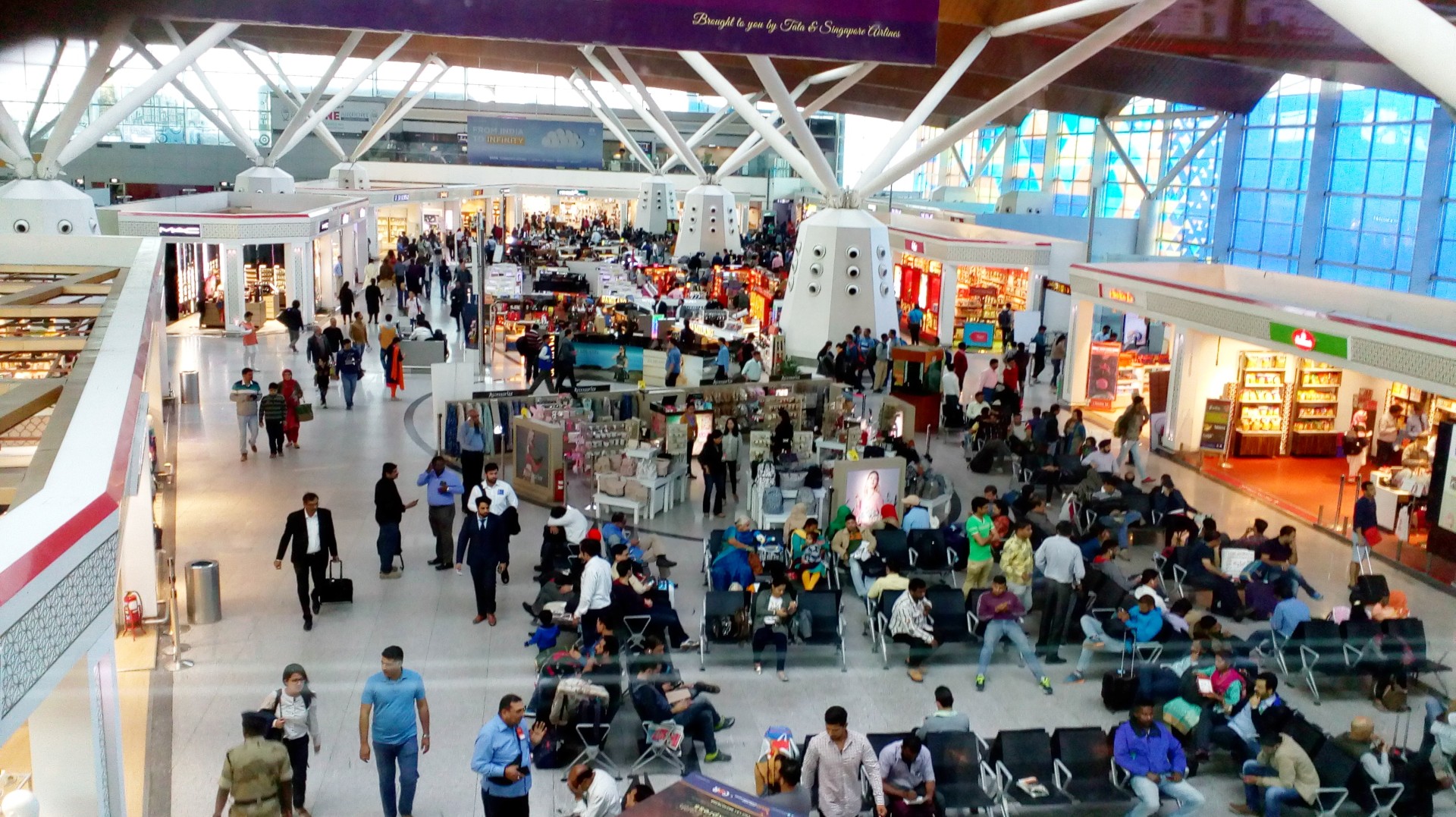
Travelers have shared frustrations on social media, with one Delhi-bound passenger tweeting, “Stuck in Dubai airport for hours—volcano in Ethiopia? Never thought I’d say that.” Airports in Abu Dhabi and Dubai reported minor congestion as diverted flights from Europe and Africa landed unexpectedly.
The ash cloud’s trajectory is expected to linger for several days, according to meteorologists from the Ethiopian Meteorological Agency. Similar disruptions occurred during the 2010 Eyjafjallajökull eruption in Iceland, which grounded thousands of flights across Europe.
Airlines are offering rebooking options, refunds, and hotel accommodations to affected passengers. For the latest updates, travelers are advised to check with their carriers or visit the GCAA website.
This incident underscores the vulnerability of global air networks to geological events, highlighting the need for robust contingency planning in an increasingly connected world.
